
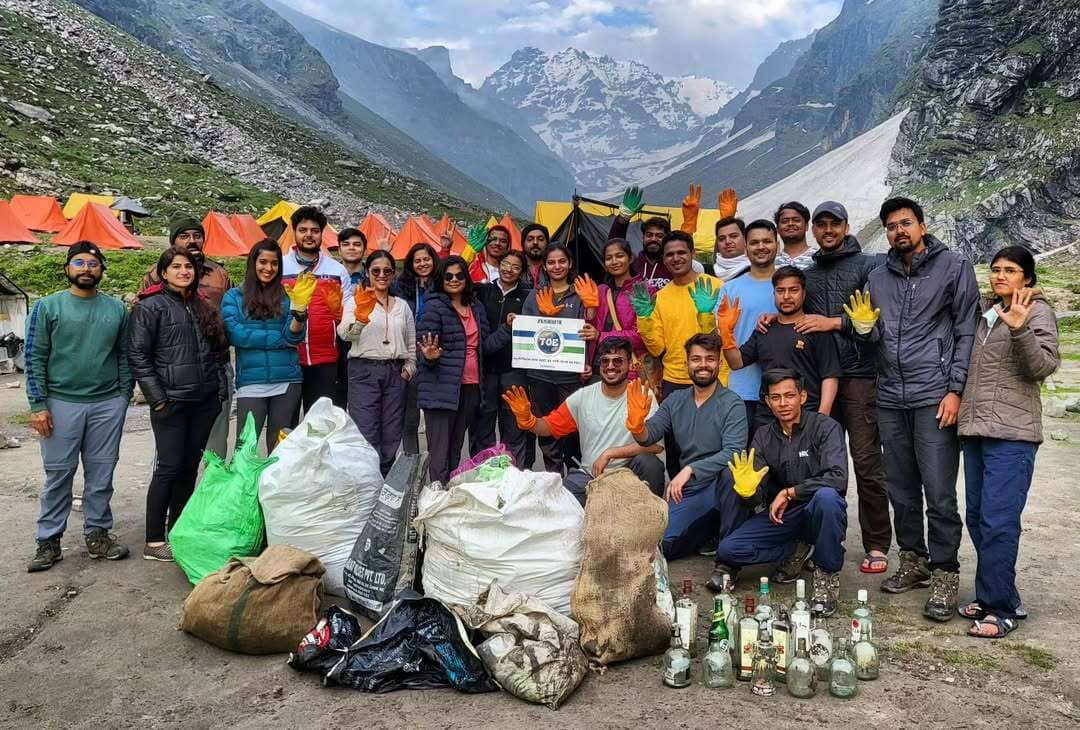
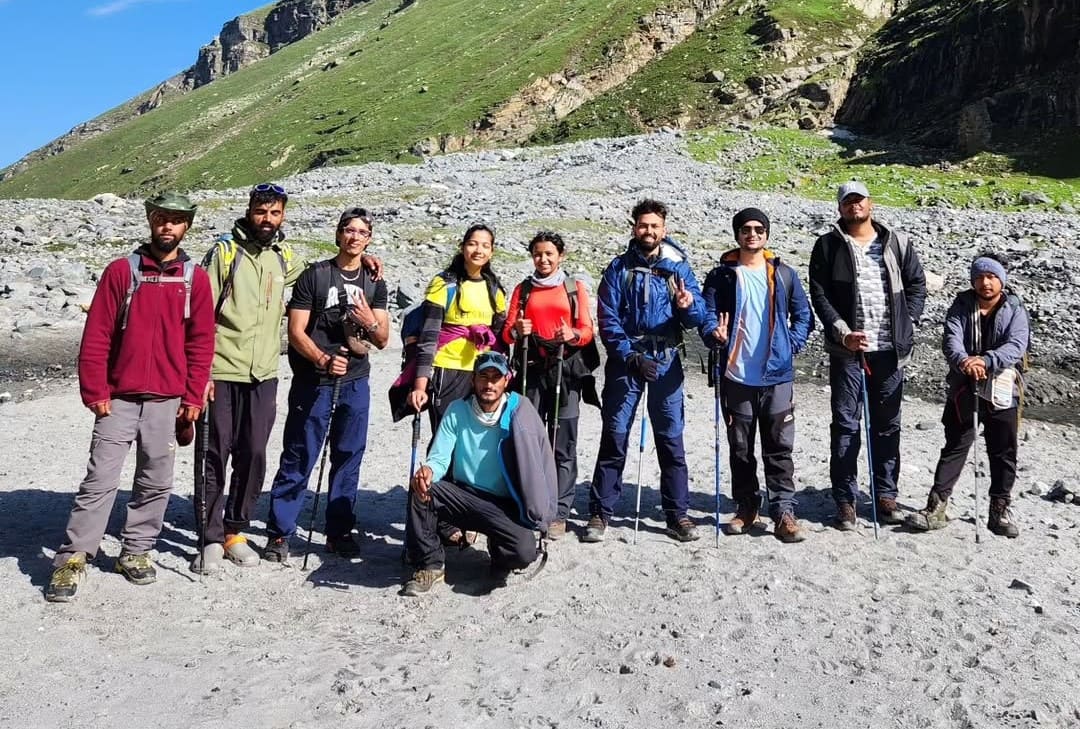
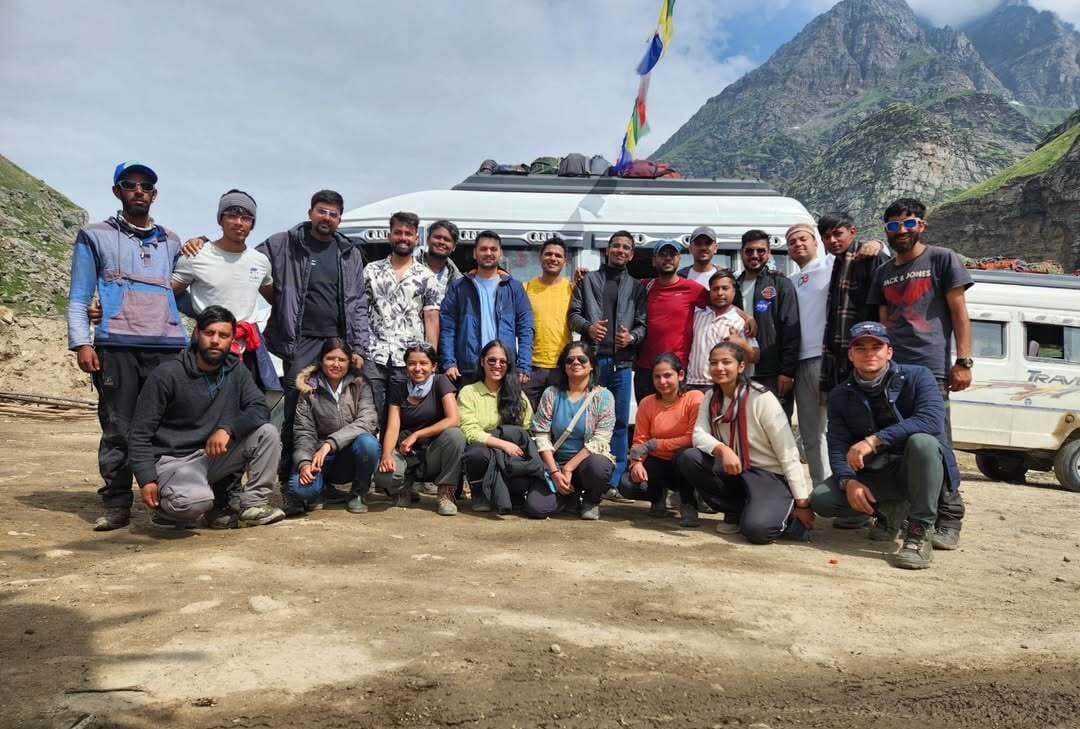
In today’s world, where climate change and environmental degradation are threatening the natural wonders we cherish, urgent action is needed to protect our planet’s fragile ecosystems—especially the Himalayas, one of the most sensitive and endangered mountain regions in the world. At Bighorn Adventure, we believe trekking is more than just a personal journey—it's an opportunity to connect with nature and become a steward of the environment. That's why we’ve partnered with Tears of the Earth Foundation as our Sustainable Partner, to create a transformative initiative that turns every trek into a mission for environmental good.
Why Sustainability Matters in Trekking
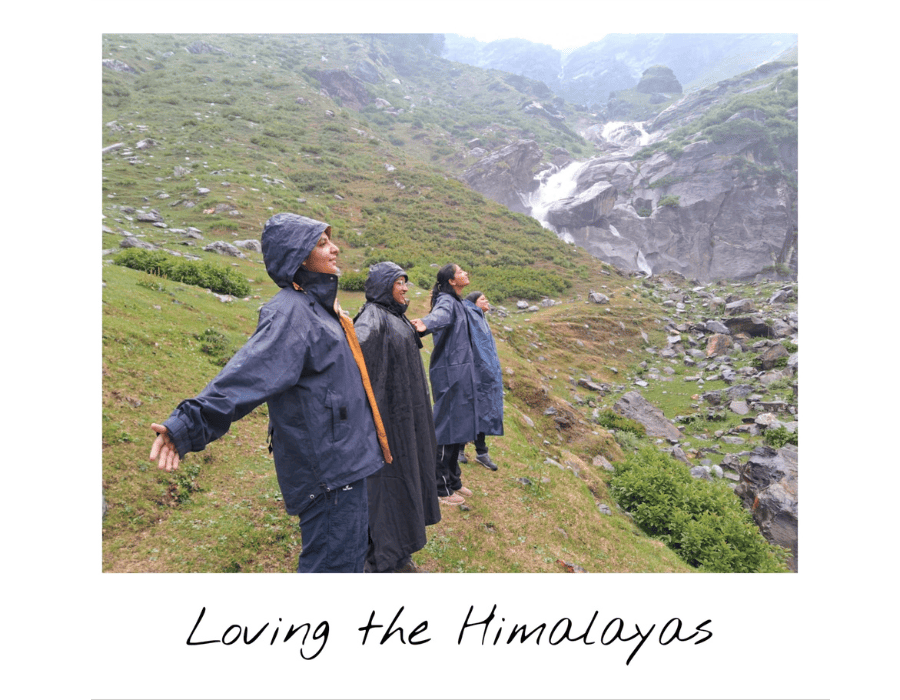
Trekking in the Himalayas offers a glimpse into Earth’s untouched beauty—majestic peaks, alpine forests, glacial rivers, and vibrant biodiversity. But this beauty is at risk. Over-tourism, plastic pollution, unmanaged waste, and ignorance of eco-practices are silently damaging the trails, harming local communities, and endangering wildlife. Even a single water bottle or plastic wrapper left behind can take hundreds of years to decompose and may find its way into fragile water sources.
This is why sustainability in trekking is not optional—it is essential. Each trekker must understand the impact of their actions, big or small. We need to stop seeing the mountains as a backdrop for selfies and start treating them as sacred living ecosystems that demand respect and care.
The TAP Mission: Trekking and Traveling Awareness Program
Enter TAP: The Trekking and Traveling Awareness Program, an initiative by Bighorn Adventure and Tears of the Earth Foundation. TAP is not just a campaign—it’s a lifestyle movement. The goal is to combine the thrill of exploring nature with the responsibility of protecting it. From the frozen valleys of Spiti to the meadows of Hampta and the serene passes of Kedarkantha, TAP ensures that every trekker is informed, aware, and active in making a difference.
TAP is designed for everyone—seasoned mountaineers, first-time trekkers, families, and youth groups. Through orientation sessions, trail-side discussions, on-field clean-up drives, and creative sustainability challenges, participants get equipped with the knowledge, skills, and tools to be green warriors in the wilderness.
Sustainability isn't just a choice — it's our commitment to designing a future that respects people, planet, and purpose.
Our Sustainability Model: The Green Grade System
To ensure accountability and celebrate conscious behavior, we introduced the Sustainability Grade System for every trek and every trekker.
Here's how it works:
Positive Points are awarded when:
Trekkers participate in cleanup drives.
Waste is collected and segregated.
Local communities are supported through eco-tourism purchases.
Camp sites are kept clean and minimal in waste footprint.
Sustainable behaviors such as refillable water bottles, eco-friendly cutlery, and zero-plastic snacks are used.
Negative Points are given when:
Litter is found on the trail by the participant.
Single-use plastic items are purchased or used unnecessarily.
Participants show negligence in waste management.
Harmful behaviors like loud noise pollution, cutting plants, or disturbing wildlife are noticed.
This grade system is shared at the end of each trek, serving both as feedback and education. Over time, trekkers begin to compete—not for reaching the summit first, but for becoming the most sustainable traveler on the trail.
Our Actions Speak Loudly
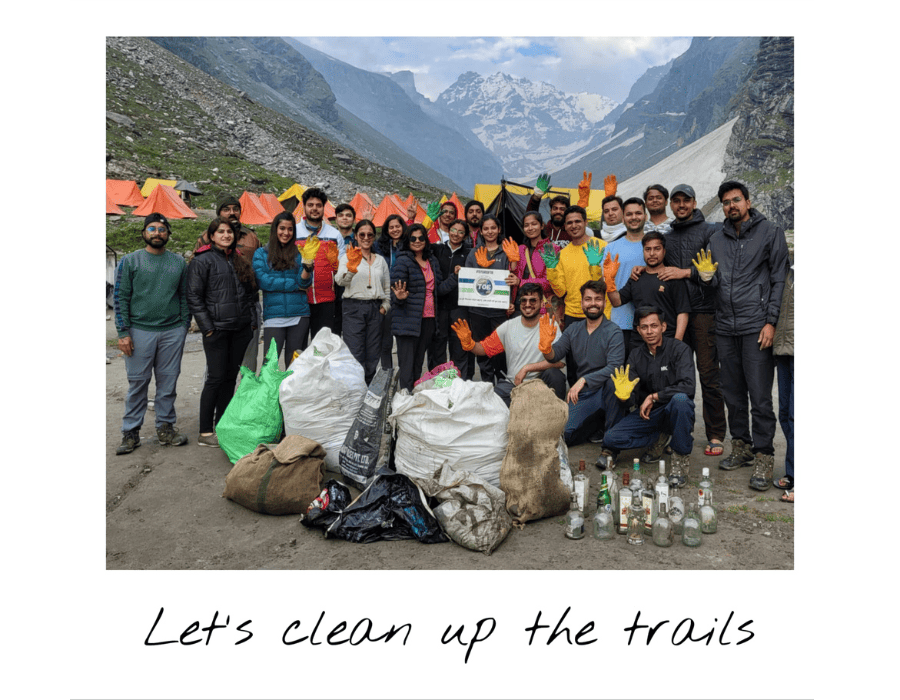
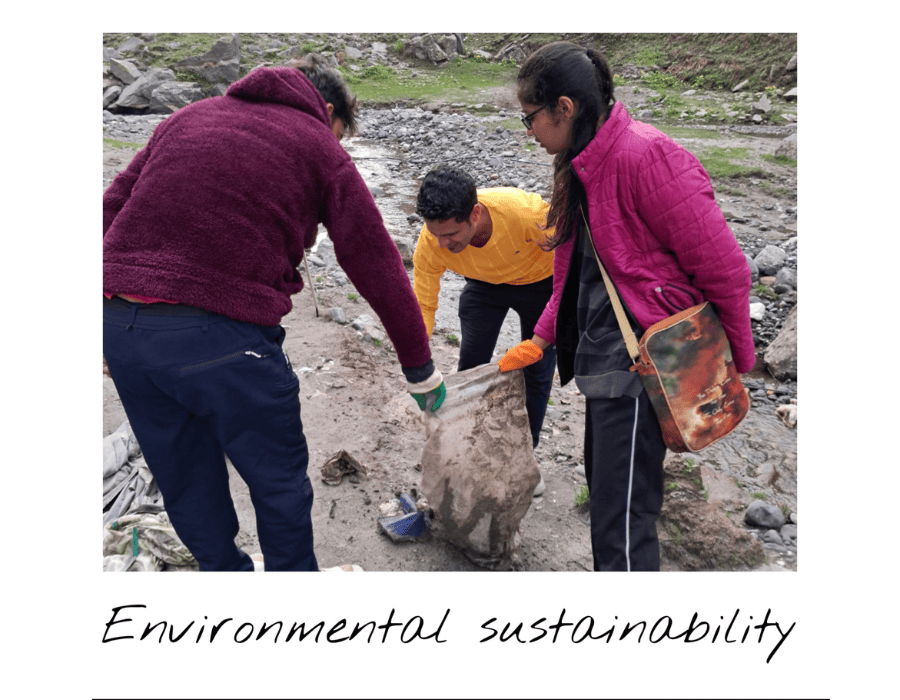
Cleanup drives on trails and base camps.
Waste collection bags distributed to each trekker.
Waste audits at the end of the journey.
Branding and printing done sustainably—on recycled paper and cloth.
Environmental storytelling sessions during evening camps.
Digital awareness boards in the local areas to encourage more responsible tourism.
In 2024 alone, our trekkers collected over 1,800 kg of trail waste across Himachal and Uttarakhand, removed over 500 plastic bottles, and educated over 3,000 locals and tourists on responsible trekking.
Educating, Empowering, and Inspiring
Local villagers are invited to join us, share their experiences, and understand better waste practices.
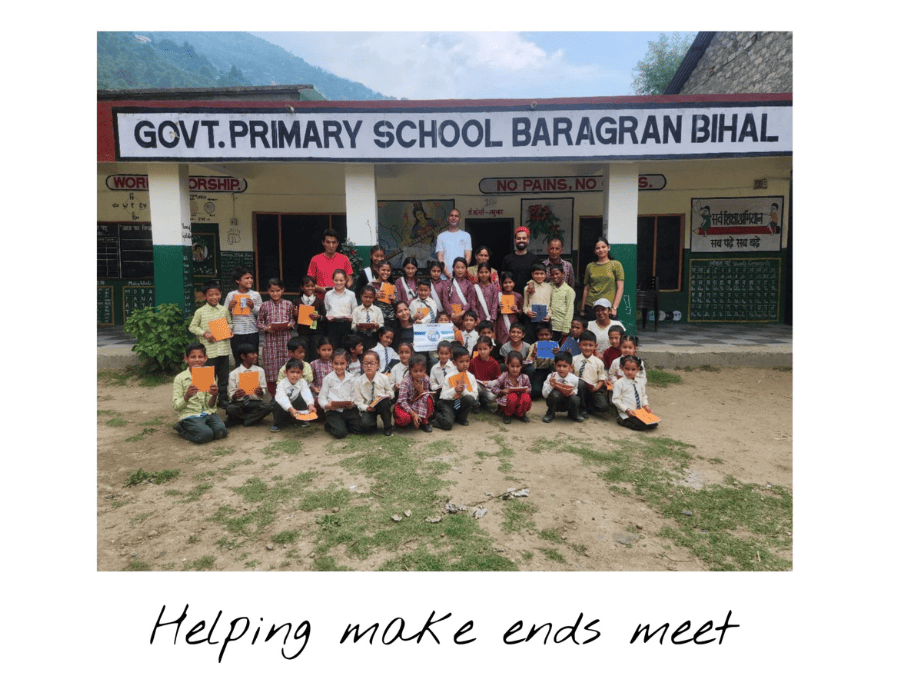
Students from nearby schools join our plantation drives, where we plant indigenous saplings like Deodar, Buransh, and Banj.
We work with panchayats to set up waste collection units and introduce water-saving techniques at camps.
We empower local guides and porters with sustainability training, turning them into ambassadors of green travel.
Real Impact, Real Stories
One of our trekkers, Riya, a college student from Delhi, shared: “During my Hampta Pass trek, I realized how my small actions—carrying a metal bottle, saying no to packaged food, picking up wrappers—could make a huge impact. I felt more connected, more responsible, and proud to be part of something bigger.”
Our team leader Nitesh recalls: “In Kedarkantha, a 10-year-old shepherd joined our trek cleanup. He helped us collect plastic wrappers left by tourists. When asked why, he said, ‘If we don’t care, no one will.’ That’s the spirit we want to ignite.”
Looking Forward: Building a Community of Conscious Trekkers
We believe in building a community of sustainable explorers. Whether you're trekking solo or with a group, the idea is simple—leave no trace, and leave a better trail behind. Through social media campaigns, local partnerships, and school outreach programs, we are expanding the TAP movement beyond trekking. We’re promoting:
Urban cleanups
Sustainable tourism policies
Water conservation efforts
Workshops on zero-waste travel kits
Bighorn Adventure with Tears of the Earth Foundation, we envision a future where sustainable travel becomes the norm, not an exception.
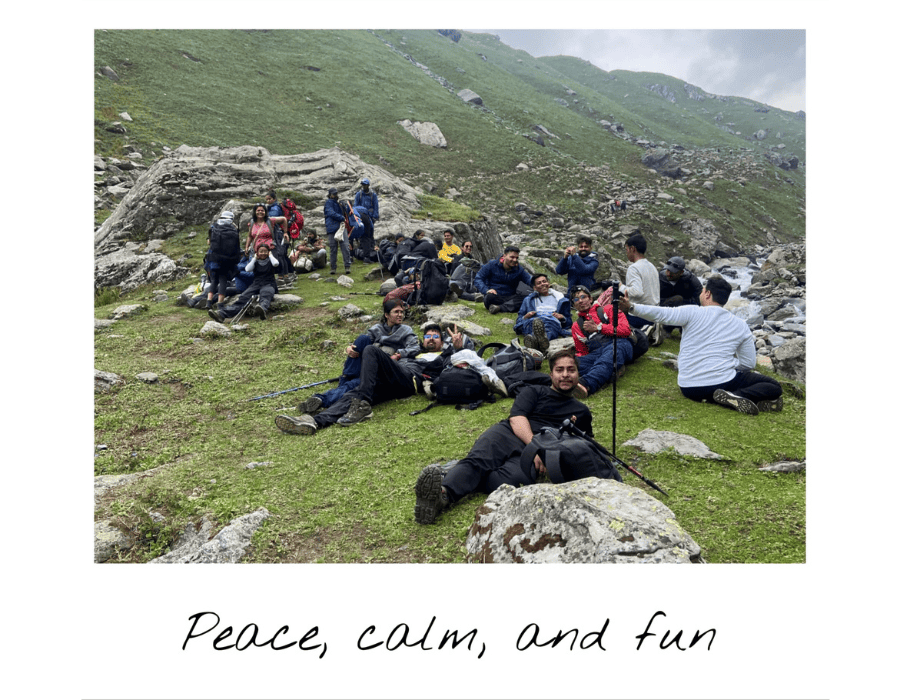
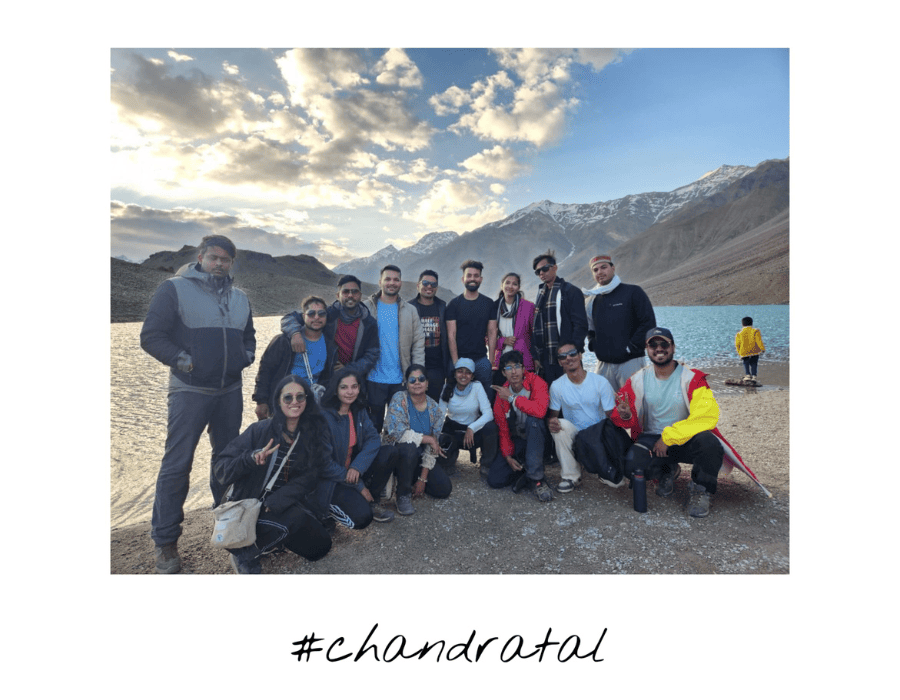
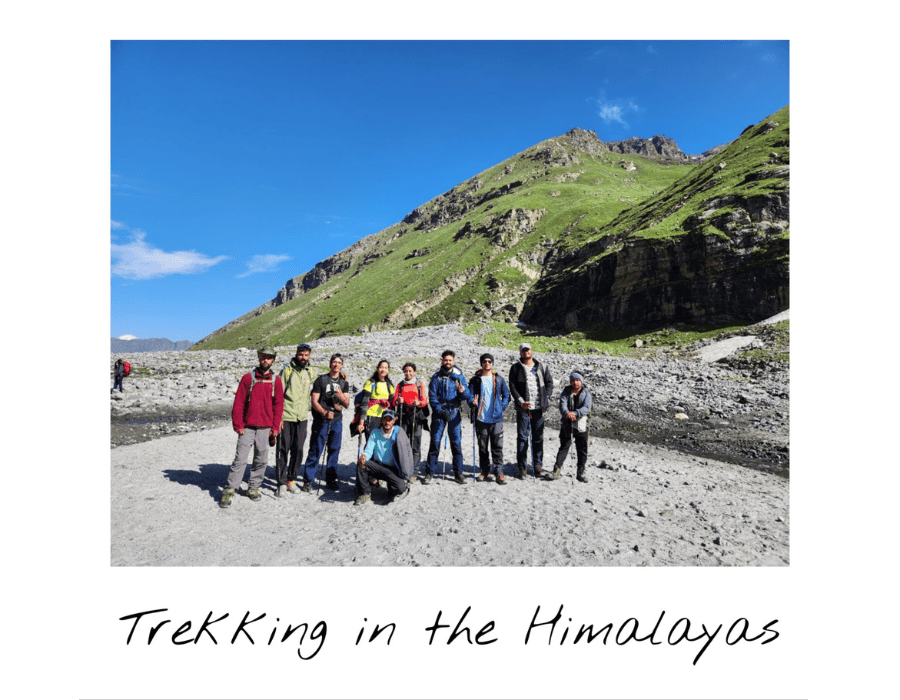
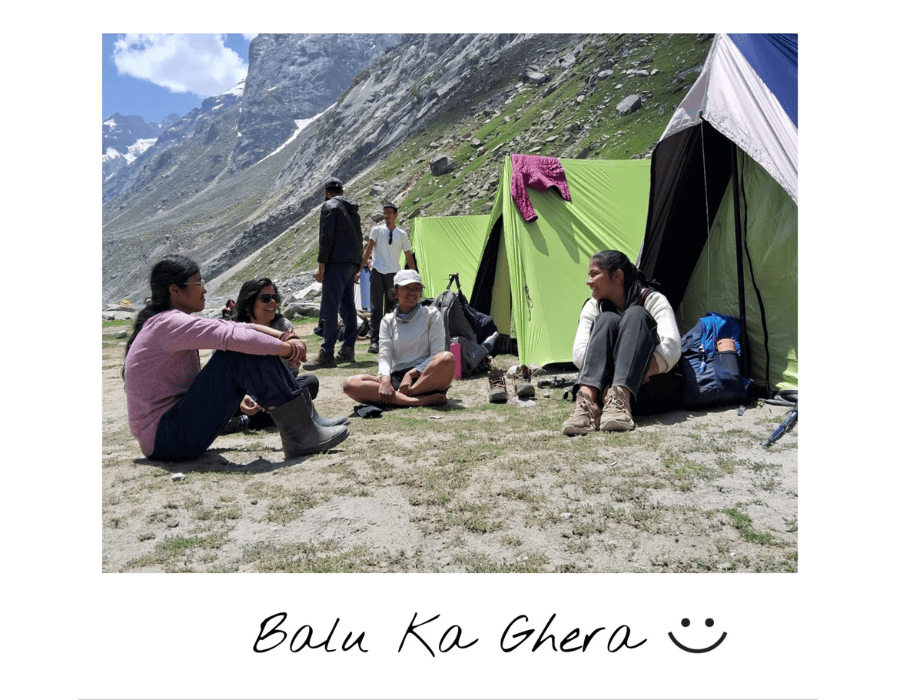
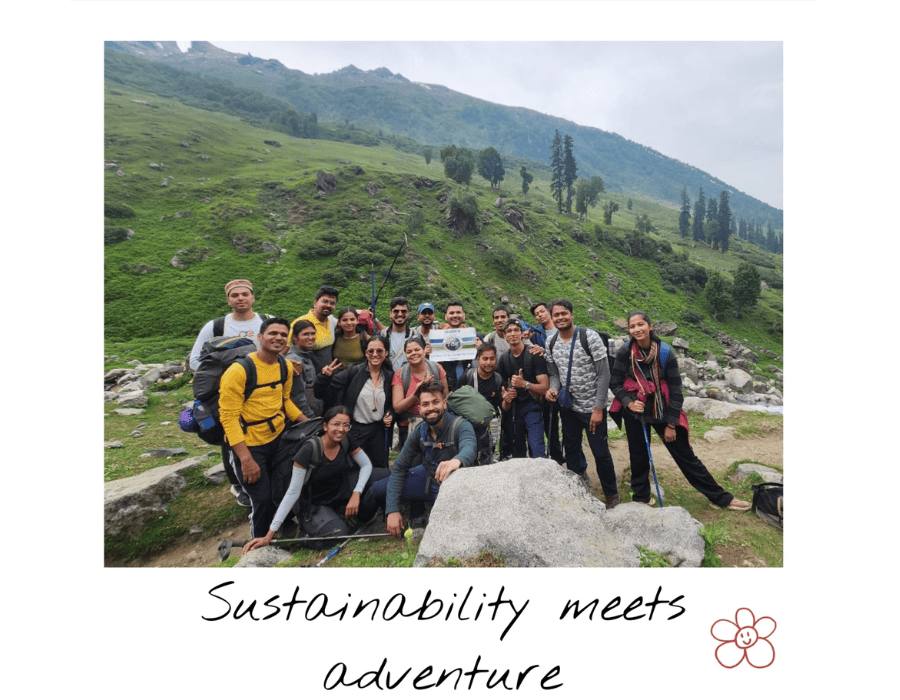
Join the Movement: Make Every Step Count
This is your invitation. To explore nature. To improve your health. To become part of a change that truly matters. Let your next adventure be about more than just reaching the summit—let it be about protecting it for the generations to come. Be part of the TAP movement. Be a sustainable trekker. Be the difference. Let’s walk together towards a greener tomorrow.
Join the Bighorn Adventure x Tears of the Earth initiative today. Make your footprints count—not just in snow, but in action.